
One of the most common questions we hear from pet owners is:
"Is my pet too old to have an anaesthetic?"
It's an understandable concern. As our pets grow older, we naturally worry about their safety and want to avoid putting them through unnecessary risks. However, age is not a disease. It, alone, is rarely the deciding factor when it comes to whether a pet can safely undergo ananaesthetic.
In many cases, treating a painful or serious condition withsurgery or a dental procedure can actually improve an older pet's comfort, health, and quality of life.
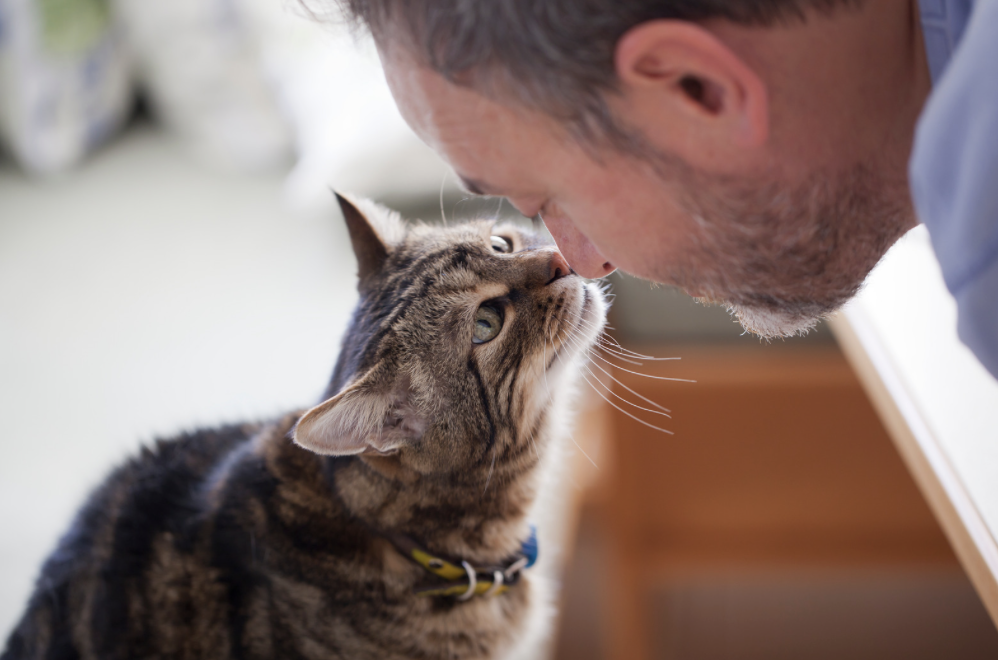
Age isn't the only factor
While senior pets may have a higher chance of underlying health conditions, many older dogs and cats undergo anaesthesia safely everyday.
What matters most is your pet's overall health, not simply the number of birthdays they've celebrated. A healthy 14-year-old dog may be a better anaesthetic candidate than a younger pet with unmanaged heart disease or other medical conditions.
Before recommending an anaesthetic, one of our veterinarians will perform a thorough assessment to determine whether the benefits outweigh the risks.
How we reduce anaesthetic risk
Your veterinary team takes several steps to make anaesthesia as safe as possible, especially for senior pets.
A thorough physical examination
Before any procedure, your veterinarian will perform a complete examination and discuss your pet's medical history, current medications, and any recent changes you've noticed at home.
Pre-anaesthetic blood testing
Blood tests help assess how well important organs, such as the liver and kidneys, are functioning and can identify issues that may not yet be causing obvious symptoms. In some cases, additional tests such as urinet esting, blood pressure measurement, chest X-rays, or heart investigations may also be recommended.
Individualised anaesthetic plans
There is no one-size-fits-all approach. Your pet's anaesthetic medications and pain relief are carefully selected based on their age, health status, breed, and the procedure being performed.
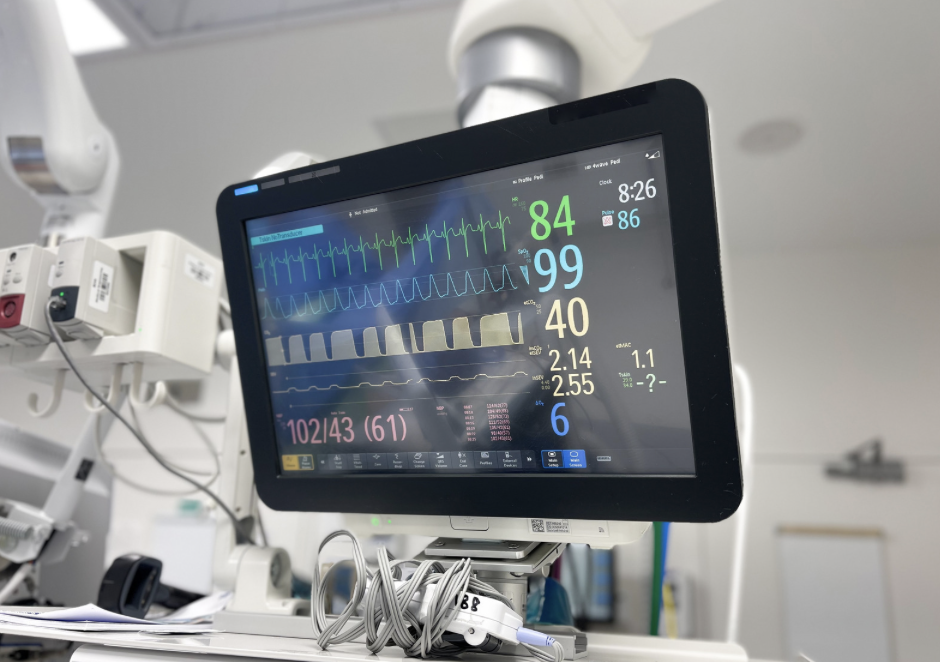
Close monitoring throughout the procedure
During anaesthesia, your pet is continuously monitored b your trained veterinary professionals. They closely track heart rate, breathing, blood pressure, oxygen levels, body temperature, and other vital signs, allowing us to respond quickly to any changes.
Why delaying treatment can sometimes be riskier
Many owners worry that an older pet is "too old" for a procedure and choose to wait. Unfortunately, delaying treatment can sometimes allow a condition to worsen.
For example:
- Dental disease can cause chronic pain, infection, and difficulty eating.
- Lumps may become larger or more difficult to remove.
- Orthopaedic injuries or conditions can lead to ongoing pain and reduced mobility.
- Certain illnesses are easier to treat when caught early.
In some situations, avoiding anaesthesia may actually result in a poorer outcome than proceeding with a carefully planned procedure.
Signs your senior pet may benefit from treatment
As pets age, it's easy to mistake signs of illness or discomfort for "just getting old." However, many age-related problems are treatable.
Talk to your veterinarian if your pet has:
- Bad breath or difficulty eating
- New lumps or bumps
- Reduced mobility or stiffness
- Weight loss
- Changes in drinking or urination
- Reduced energy levels
- Changes in behaviour or appetite
A veterinary examination can help determine whether further investigation or treatment is needed.
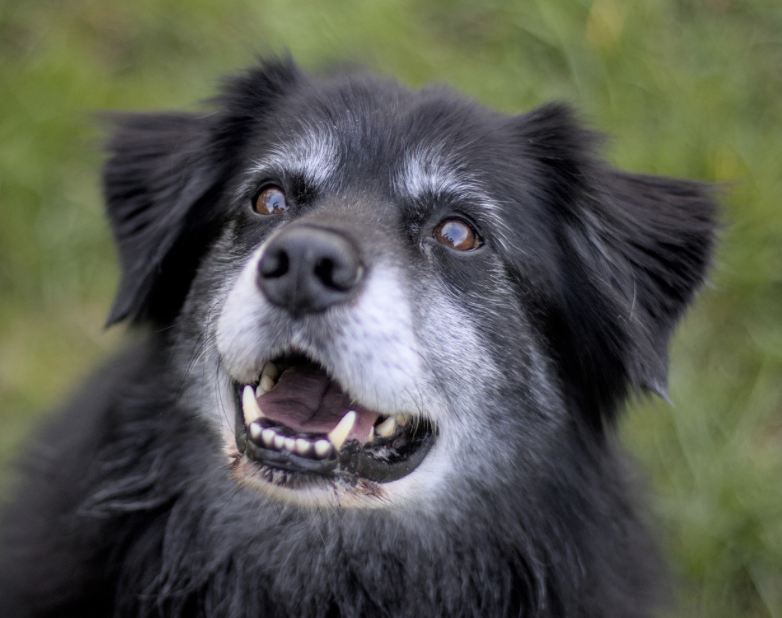
Every pet deserves an individual assessment
There is no age at which a pet automatically becomes "too old" for an anaesthetic.
Instead, our veterinarians will carefully consider your pet's overall health, the procedure being recommended, and the potential benefits and risks before making a plan. Modern anaesthetic protocols, advanced monitoring equipment, and thorough pre-operative assessments have made anaesthesia safer than ever before.
We're here to help
If you're worried about your older pet needing an anaesthetic, you're not alone. Our team is happy to answer your questions, discuss the risks and benefits, and tailor an anaesthetic plan to your pet's individual needs.
Our goal is always the same: to provide the safest possible care while helping your pet enjoy the healthiest, happiest life possible, no matter their age.