
Hearing your dog cough can be alarming. While some causes of coughing are mild self-limiting, others may require prompt veterinary attention. We’ve written a short blog to help you understand the possible reasons for your dog’s cough.
Common Causes of Coughing in Dogs
Kennel Cough
One of the most common causes of coughing is kennel cough, a highly contagious respiratory infection. Dogs with kennel cough often develop a harsh, honking cough and may gag after coughing episodes.
Although many cases are mild and resolve with supportive care, some dogs can develop more serious respiratory infections.
Tracheal Collapse
Small breed dogs, particularly older dogs, can develop a weakening of the trachea (windpipe). This often causes a characteristic "goose honk" cough that may worsen during excitement, exercise, or when pressure is applied to the neck.
Heart Disease
In some cases, coughing may be related to heart disease. Dogs with heart conditions may also show signs such as reduced exercise tolerance, rapid breathing, or tiring more easily than usual.
Respiratory Infections
Viral, bacterial, or fungal infections can affect the airways and lungs, resulting in coughing. Dogs may also develop nasal discharge, fever, lethargy, or loss of appetite.
Foreign Material or Airway Irritation
Occasionally, dogs may cough due to inhaled grass seeds, dust, smoke, perfumes, or other irritants. Some foreign objects lodged in the airway can cause sudden, persistent coughing and require urgent veterinary attention.
Lung Disease
Conditions affecting the lungs, including chronic bronchitis, pneumonia, or tumours, may cause ongoing coughing.
When Should You See a Vet?
You should arrange a veterinary examination if your dog:
· Has a cough that persists for more than a few days
· Is coughing frequently or worsening over time
· Seems lethargic or unwell
· Has difficulty breathing
· Stops eating or drinking
· Produces blood when coughing
· Is very young, elderly, or has existing health conditions
If your dog is struggling to breathe, breathing with excessive effort, or has blue or pale gums, seek emergency veterinary care immediately.
How Is the Cause Diagnosed?
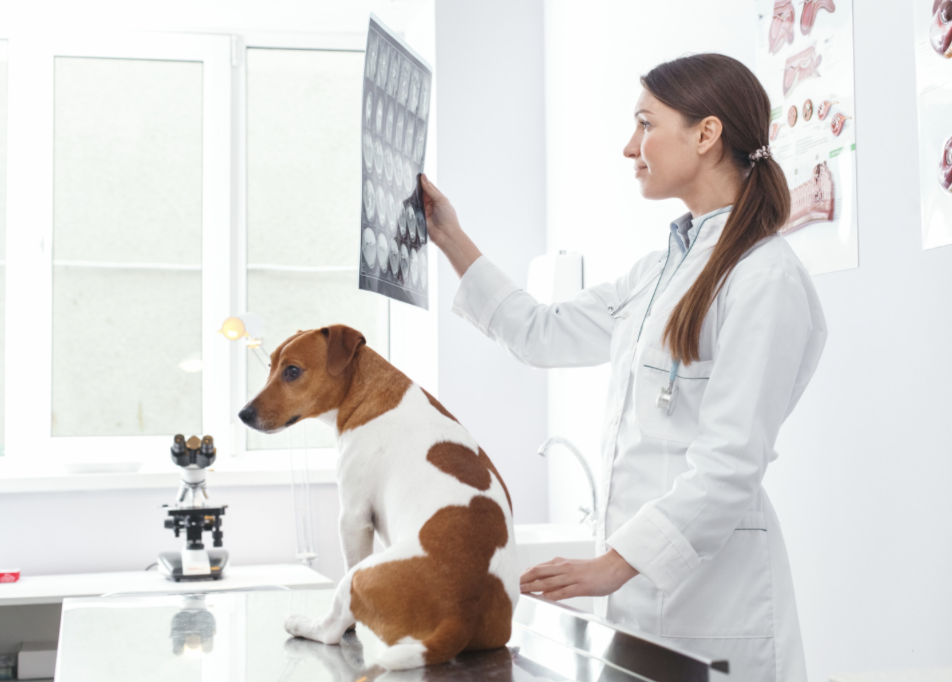
Your veterinarian will perform a physical examination and may recommend additional tests depending on your dog's symptoms. These may include:
· Radiographs (X-rays)
· Blood tests
· Airway sampling
· Heart assessment
· Infectious disease testing
Identifying the underlying cause is important because treatment varies significantly depending on the diagnosis.
Can I Treat My Dog’s Cough at Home?
Human medications should not be given to your dog, unless specifically directed by your veterinarian. Some human medications can be harmful to dogs and may mask symptoms that need investigation.
Keeping your dog calm, avoiding smoke or strong irritants,and ensuring they remain well hydrated may help while awaiting veterinary assessment.
Coughing is a symptom, not a diagnosis. While some causesare relatively minor, others can indicate serious disease affecting the heart, lungs, or airways.
If your dog has developed a persistent cough or is showing any other signs of illness, a veterinary examination is the best way to determine the cause and ensure appropriate treatment.
When in doubt, it's always worth having your dog's cough checked by a veterinarian. Don’t hesitate to call us on (03) 7053 7730.