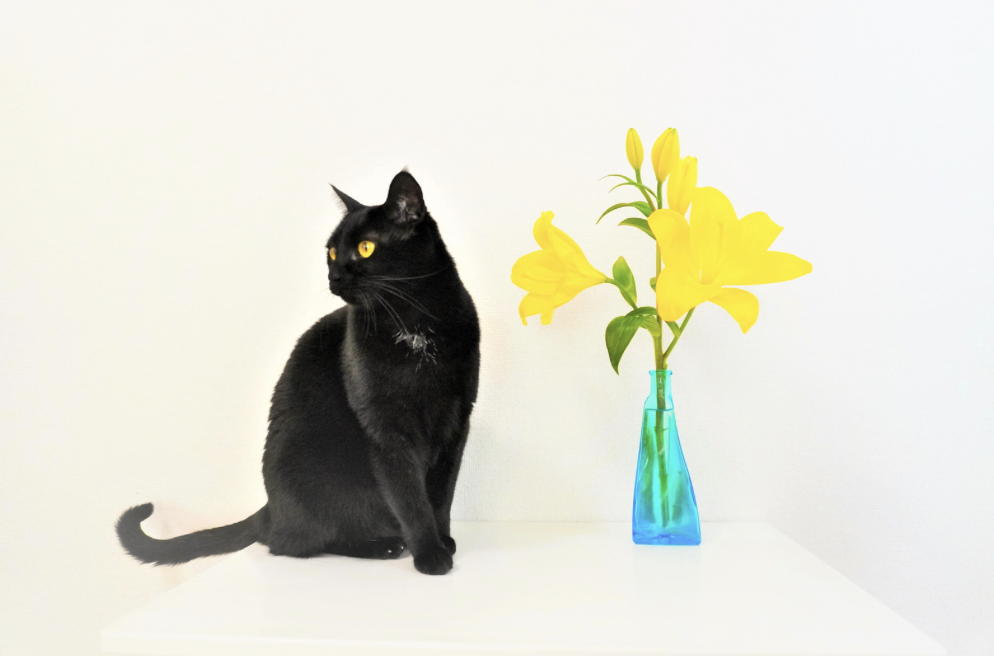
Lilies are a very popular choice of flowers – they’re beautiful and make a gorgeous addition to any bouquet! However, they are extremely toxic to our feline friends and can cause kidney failure and death, even in very small amounts.
All true lilies (Lilium and Hemerocallis species) are toxic to cats and all parts of these plants are toxic, including the petals, leaves, stems, pollen, and even the water in a vase containing lilies.
How can cats be exposed?
Life-threatening toxicity can occur with exposure to very small amounts of this plant. This includes:
· Chewing on the leaves or flowers
· Licking pollen from the fur after brushing against the plant
· Drinking water from a vase containing lilies
· Ingesting fallen petals or pollen
What happens after exposure?
Signs of lily toxicity can develop within a few hours. These can include:
· Vomiting
· Drooling
· Loss of appetite
· Lethargy
· Hiding or unusual behaviour
Within 24-72 hours, untreated cats can develop acute kidney failure, which can lead to:
· Changes in urination
· Dehydration
· Weakness
· Seizures
· Collapse
· Death
What should I do if my cat has been exposed?
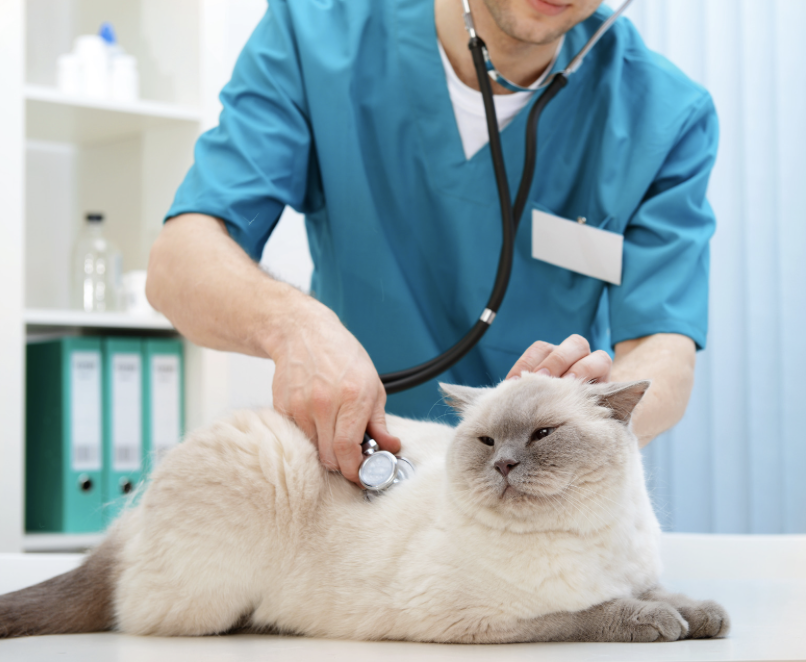
If you know or even suspect your cat has come into contact with any part of a lily, seek veterinary attention immediately, even if your cat has no symptoms.
Early treatment offers the best chance of recovery and may involve:
· Inducing vomiting, if ingestion was recent
· Administering activated charcoal
· IV fluid therapy
· Blood and urine tests to check kidney function
· Hospitalisation and supportive care
Prevention is Key
The safest option is to avoid keeping lilies in homes with cats altogether.
When purchasing flowers, always check bouquet contents carefully, as lilies are commonly included in mixed arrangements. If you receive flowers as a gift, ensure that they do not contain lilies before bringing them into your home. Inform family members, friends, and florists that you have cats so they can help avoid accidental exposure.
Lily toxicity is one of the most serious and preventable poisonings seen in cats. Because even tiny amounts can cause irreversible kidney damage, any exposure should be treated as a veterinary emergency.
If you believe your cat has come into contact with a lily, contact your veterinarian immediately. Quick action can make the difference between a full recovery and a life-threatening illness.