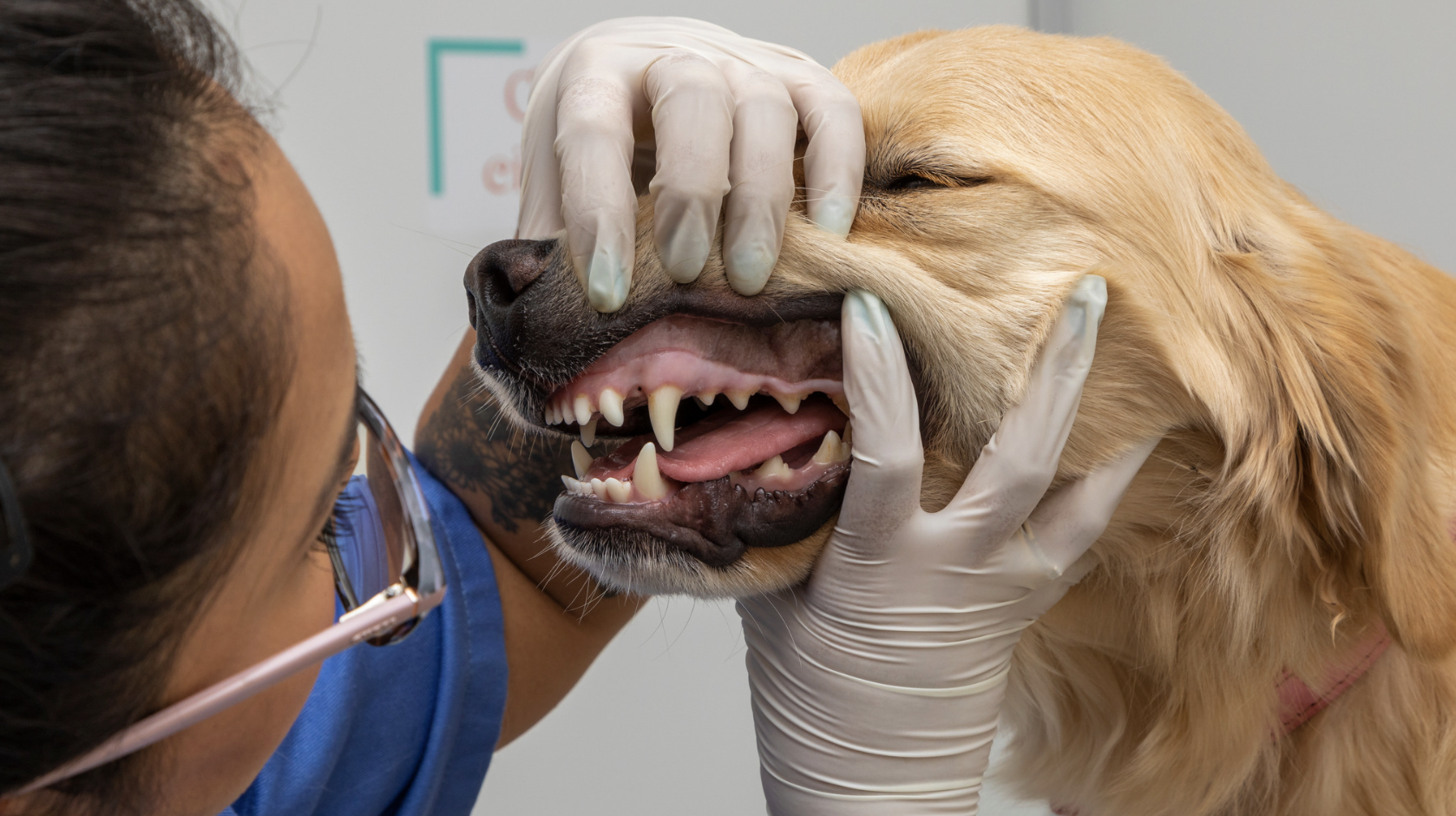
Dental health is one of the most overlooked aspects of petcare, yet it plays a vital role in your pet's overall health and wellbeing. By the age of three, 80% of cats and dogs show signs of dental disease. The good news is that with regular care and routine veterinary check-ups, many dental problems can be prevented before they become painful or serious.
Why is dental health so important?
Much like us, pets can develop plaque and tartar on their teeth. If this isn't removed, it can lead to gum inflammation (gingivitis), infection, and eventually periodontal disease.
Dental disease isn't just about bad breath. It can cause chronic pain, difficulty eating, loose or damaged teeth, and infections that may spread to other parts of the body. In severe cases, bacteria from the mouth can enter the bloodstream and affect important organs such as the heart, liver,and kidneys.
Early intervention is paramount
Many owners wonder whether it's worth booking a dental procedure when their pet "only needs a scale and polish." Removing plaque and tartar before they cause significant damage helps prevent painful gum disease, loose teeth, tooth root infections, and extractions later on. Early intervention means your pet is more likely to keep their healthy teeth, have a shorter anaesthetic, experience less discomfort, and avoid more extensive (and costly) dental treatment in the future. As previoulsy mentioned, dental disease doesn't only affect teeth, but also your pet's general health. A simple scale and polish today can make a big difference to your pet's long-term health.
Signs your pet may have dental disease
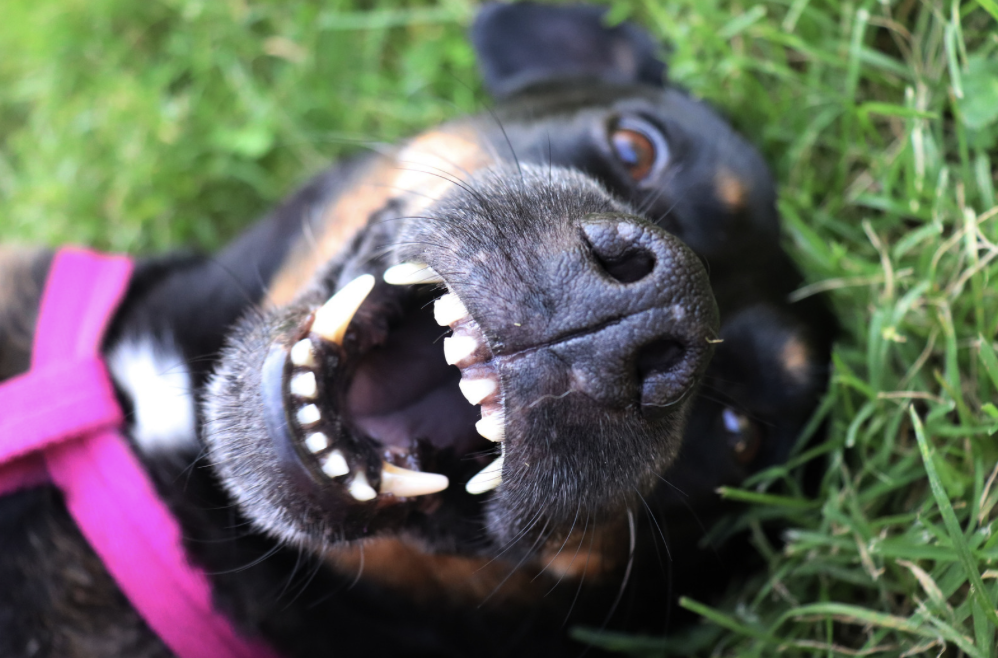
Because pets are very good at hiding discomfort, dental problems often go unnoticed until they're quite advanced. Keep an eye out for signs such as:
Bad breath
Yellow or brown tartar on the teeth
Red, swollen, or bleeding gums
Difficulty chewing or dropping food
Reduced appetite
Pawing at the mouth or face
Excessive drooling
Loose or missing teeth
Reluctance to play with toys or chew treats
If you notice any of these signs, it's a good idea to book a dental examination with your veterinarian. As a general rule, we recommend getting a dental check every 6 to 12 months.
Preventing dental disease
The best treatment for dental disease is prevention. A few simple habits can make a big difference to your pet's oral health.
Brush their teeth
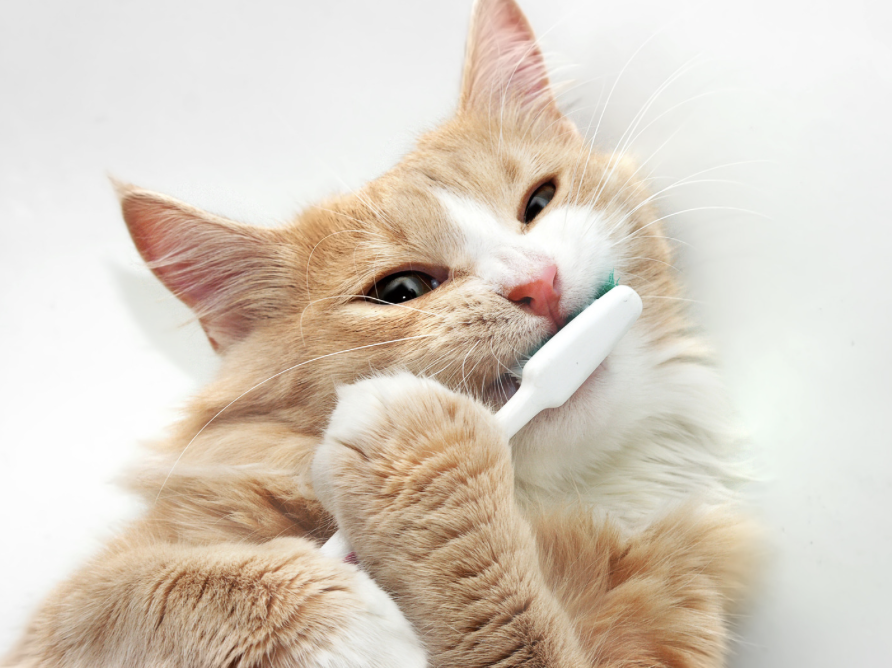
Daily brushing is considered the gold standard for keeping your pet's teeth clean. Use a pet-specific toothbrush and toothpaste, never use human toothpaste, as it can be harmful to pets. If your pet is new to brushing, introduce it slowly with plenty of praise and rewards.
Offer dental-friendly products
Dental diets, treats, and chew toys designed to reduce plaque can help support good oral hygiene. Look for products that have the VOHC (Veterinary Oral Health Council) seal of approval. These have been scientifically proven to have dental benefits.
Schedule regular veterinary check-ups
Your veterinarian will examine your pet's mouth during routine health checks and can identify early signs of dental disease before they become major problems.
Professional dental cleaning
Just like us, pets will need professional dental cleans in their lifetimes. Even with excellent home care, all pets will eventually require a professional dental scale and polish under general anaesthesia. This allows your veterinary team to thoroughly clean above and below the gumline, where harmful bacteria accumulate, and assess every tooth for signs of disease.
Common myths about pet dental health
"My pet's bad breath is normal."
Persistent bad breath is usually a sign that something isn't right. It's often one of the earliest indicators of dental disease.
"My pet eats dry food, so they won't get dental disease."
While some specially formulated dental diets can help reduce plaque, regular dry food alone does not prevent dental disease.
"My pet is still eating, so their teeth must be fine."
Pets often continue eating despite significant dental pain. By the time they stop eating, the disease will likely be extremely advanced.
A healthier mouth means a healthier pet
Looking after your pet's teeth is about much more than keeping their breath fresh. Good dental care helps reduce pain, prevents disease, and supports your pet's overall health and quality of life.
If you're unsure about your pet's dental health, or it's been a while since their last dental check, our friendly team is here to help. Don't hesitate to call us on (03) 7053 7730 if you have any questions or would like to book in a free dental check with one of our wonderful nurses.