Thunderstorm Phobia
With the warmer weather and humidity, we may start seeing more thunderstorms. Although these create a lovely ambience to settle in at home with a tea and a good book, our pets often don’t love them so much!
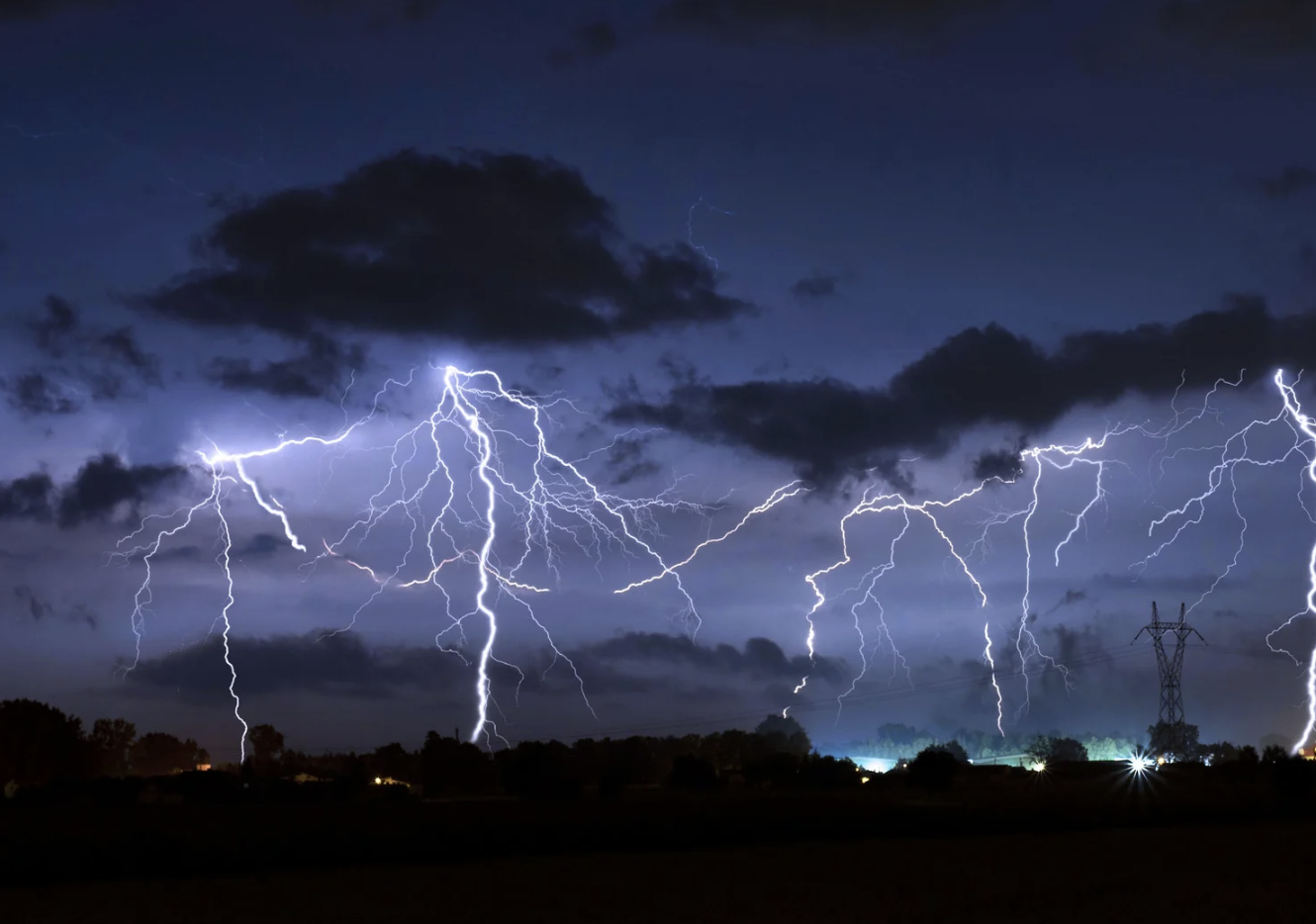
Storm-related anxiety can be triggered by:
· Loud thunder
· Sudden flashes of lightning
· Changes in barometric pressure
· Wind, rain, or hail
· Static electricity
Symptoms of Thunderstorm Phobia
You may find that your pets notice before us that a storm is approaching, and symptoms of thunderstorm anxiety can occur before the storm even begins.
Signs that you may notice are:
· Trembling or shaking
· Panting or drooling
· Pacing and inability to settle
· Hiding
· Trying to escape
· Destructive behaviour (scratching doors,chewing at walls)
· Vocalising (whining, barking, meowing)
· Clinginess
· Urinary or faecal accidents
· In severe cases, pets may injure themselvestrying to escape
Why is it important to address
Unfortunately, thunderstorm phobia often worsens with repeated exposure, as each storm reinforces your pet’s fear response. Left untreated it can reduce your pet’s quality of life, lead to generalised anxiety and increase risk of injury or escape.

How you can help at home
Create a safe space
· Choose a quiet, enclosed, safe area (e.g.bathroom, laundry, or crate)
· Close any curtains or windows
· Play white noise, calming music or TV
· Allow your pet to choose where they feel safest
Stay calm and predictable
· Act normal – pets are very attuned to our own behaviour
· Don’t punish fearful behaviour
· Comforting is okay, but try to avoid reinforcing panic behaviour
Prepare before storms
· Monitor weather forecasts
· Set up a safe space early
· Have calming tools (e.g. medication, toys) before anxiety escalates
How we can help in the vet clinic
If you are finding your pet’s thunderstorm anxiety difficult to manage, there are a few ways we can help:
· Calming supplements or pheromones
· Short-acting anxiety medication
· Longer-term anxiety medication
· Behaviour modification plans, tailored to your pet
Medication isn’t a "failure". For many pets, it’s a crucial part of humane, effective treatment.
When to seek veterinary help
Don’t hesitate to call us to book an appointment if your pet:
· Panics during every storm
· Hurts themselves or tries to escape
· Won’t eat, settle or respond to you duringstorms
· Shows worsening fear symptoms over time
Remember that early intervention leads to better outcomes. At Northside Vets, we’re here to help you and your pet lead the most comfortable and fear-free lifestyle! Please call us on (03) 7053 7730 if you have any questions at all.