We all love spoiling our pets, but sometimes those extra treats and table scraps can add up. Just like in people, carrying excess weight can have a significant impact on your pet's health, comfort, and lifespan.
Even a small amount of weight loss can make a big difference. If your dog or cat is carrying a few extra kilos, here's how you can safely help them reach a healthier weight.
Why is maintaining a healthy weight so important?
Being overweight isn't just about appearance, it can increase your pet's risk of developing serious health conditions, including:
- Arthritis and joint pain
- Diabetes (particularly in cats)
- Heart and respiratory disease
- High blood pressure
- Reduced exercise tolerance
- Increased risk during anaesthesia and surgery
- Shortened lifespan
Studies have even shown that dogs maintained at a healthy weight can live almost two years longer than overweight dogs.
How do I know if my pet is overweight?
It isn't always easy to tell, especially if weight gain happens gradually.
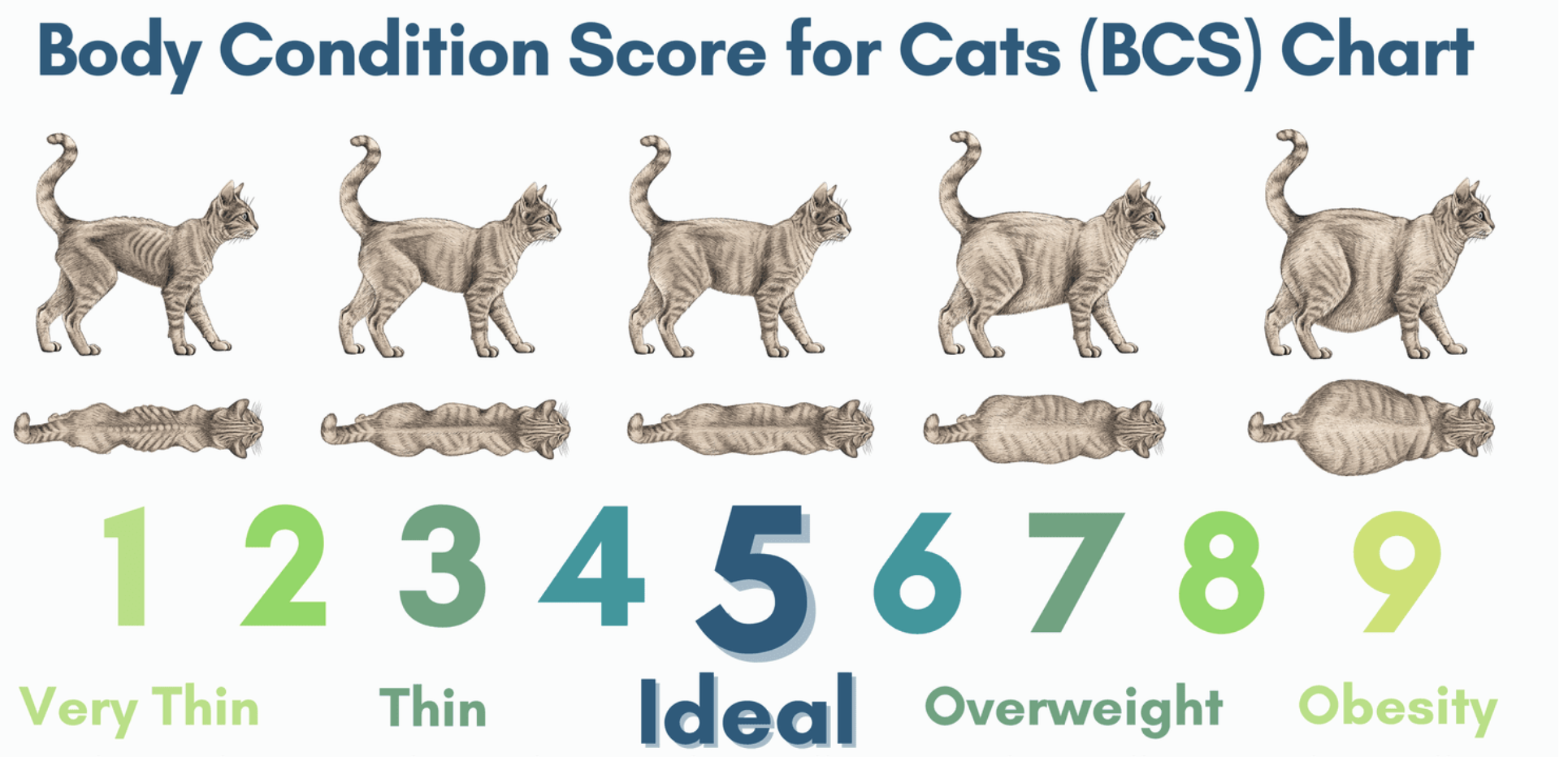
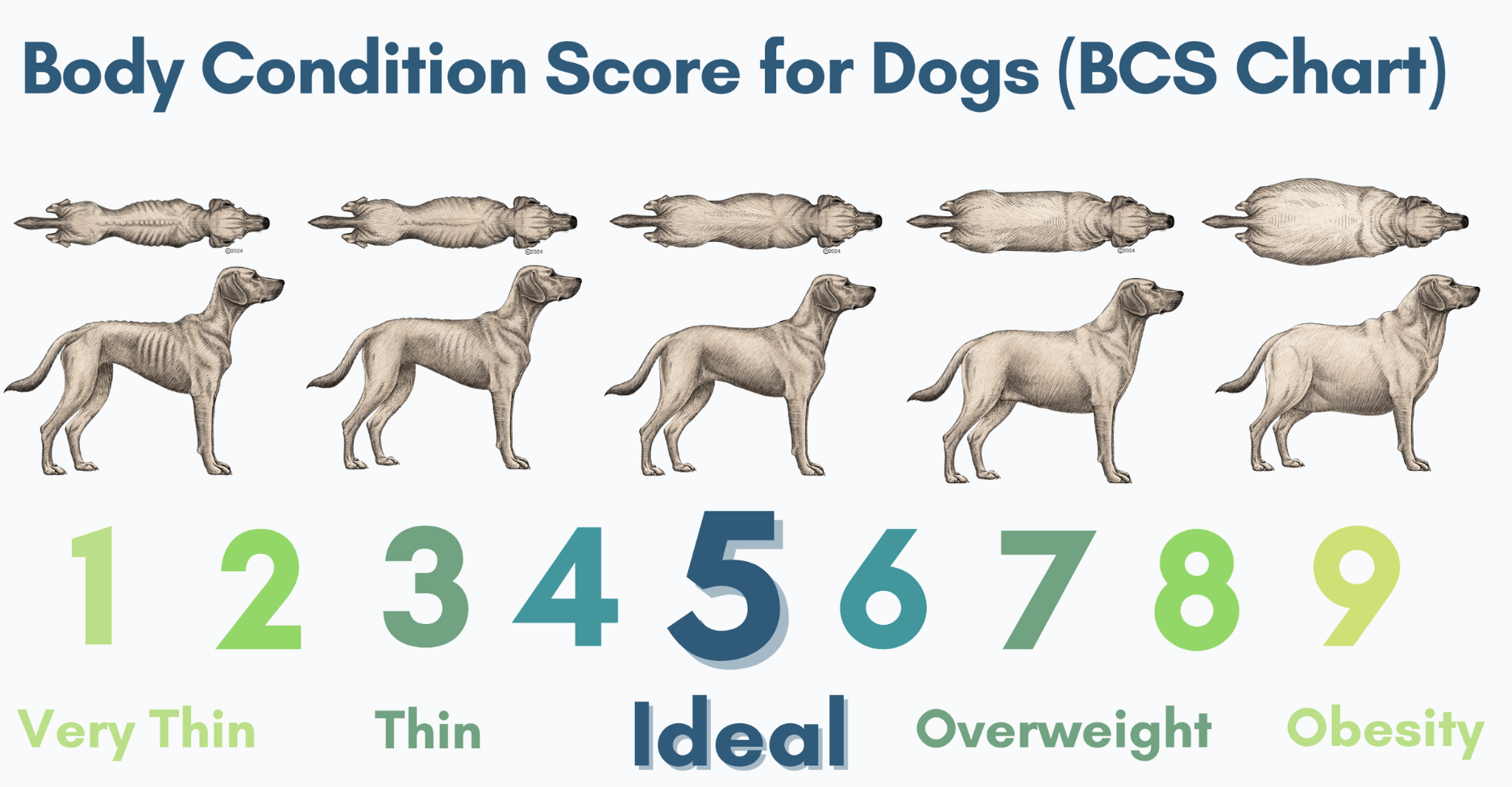
A healthy pet should have
- Ribs that can be easily felt under a thin layer of fat
- A visible waist when viewed from above
- A tummy that tucks up when viewed from the side
If you're unsure, our veterinarians can perform a Body Condition Score (BCS) assessment and determine your pet's ideal weight.
Don't just feed less
One of the biggest misconceptions is that weight loss simply means giving less food.
While reducing calories is important, drastically cutting your pet's food can lead to:
- Nutritional deficiencies
- Constant hunger
- Muscle loss instead of fat loss
- Begging and food-seeking behaviours
Instead, our veterinarians may recommend a prescription weight management diet. These diets are specially formulated to
- Be lower in calories
- Keep pets feeling fuller for longer
- Maintain muscle mass during weight loss
- Provide complete, balanced nutrition
-
Measure every meal
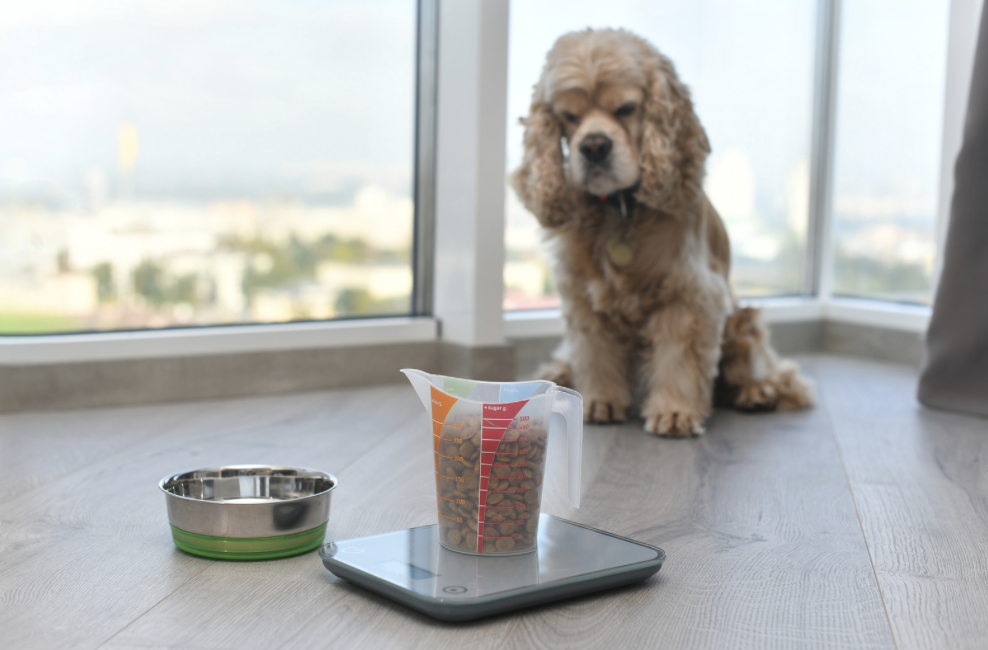
Guessing portion sizes is surprisingly inaccurate.
Using a measuring cup, or even better, a kitchen scale, can make a huge difference in your pet's daily calorie intake.
Remember to include:
- Treats
- Dental chews
- Table scraps
- Food used for training
These "extras" can sometimes account for a significant proportion of your pet's daily calories.
Choose healthier treats
Treats don't have to disappear completely...
Instead, try:
- Small pieces of carrot
- Green beans
- Cucumber
- Pumpkin (plain or cooked)
- A portion of your pet's daily kibble reserved for rewards
As a general rule, treats should make up no more than 10% of your pet's daily calorie intake.
Increase activity gradually
Exercise is an important part of any weight loss plan, but it should be introduced gradually, particularly if your pet is older or has arthritis.
Dogs
Try:
- Longer daily walks
- Playing fetch
- Swimming (where appropriate)
- Food puzzle toys
- Sniff walks for mental stimulation
Cats
Encourage movement by:
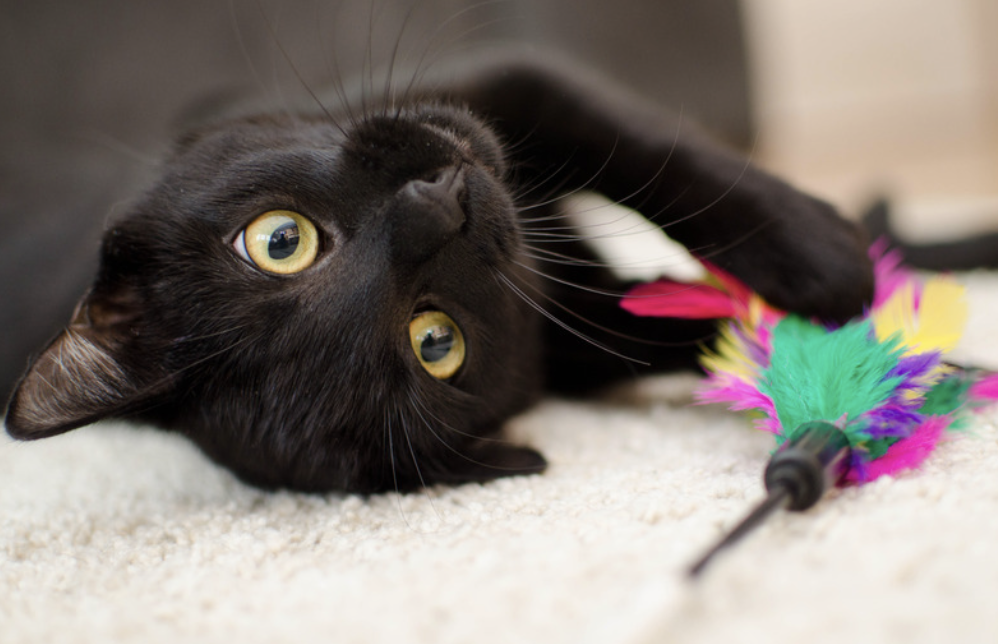
- Using wand toys
- Throwing kibble for them to chase
- Providing climbing trees or shelves
- Feeding meals in puzzle feeders
- Scheduling short play sessions throughout the day
Even 10–15 minutes of interactive play each day can make a difference.
Make the whole family part of the plan
Weight loss is much more successful when everyone in the household is on the same page.
Make sure everyone knows:
- How much your pet should be fed
- Who is responsible for feeding
- Which treats are allowed
- Not to offer table scraps or "just one more biscuit"
Consistency is key!
Be patient
Healthy weight loss takes time.
Losing weight too quickly can actually be dangerous, particularly for cats, who are at risk of developing a serious liver condition called hepatic lipidosis if they stop eating or lose weight too rapidly.
Our veterinarians will recommend a safe rate of weight loss and may schedule regular weigh-ins to monitor progress and adjust the plan if needed.

We're here to help
Helping your pet lose weight doesn't have to be overwhelming, and you don't have to do it alone.
At Northside Vets, we can:
- Assess your pet's Body Condition Score
- Determine their ideal weight
- Calculate their daily calorie requirements
- Recommend an appropriate diet
- Develop a personalised weight loss plan
- Monitor progress with regular weigh-ins
A healthier weight can mean more energy, less pain, and more happy years together.
If you think your pet may be overweight, don't hesitate to book a consultation with our wonderful team. We'd love to help them get back on track!